Know your African marigold before you plant
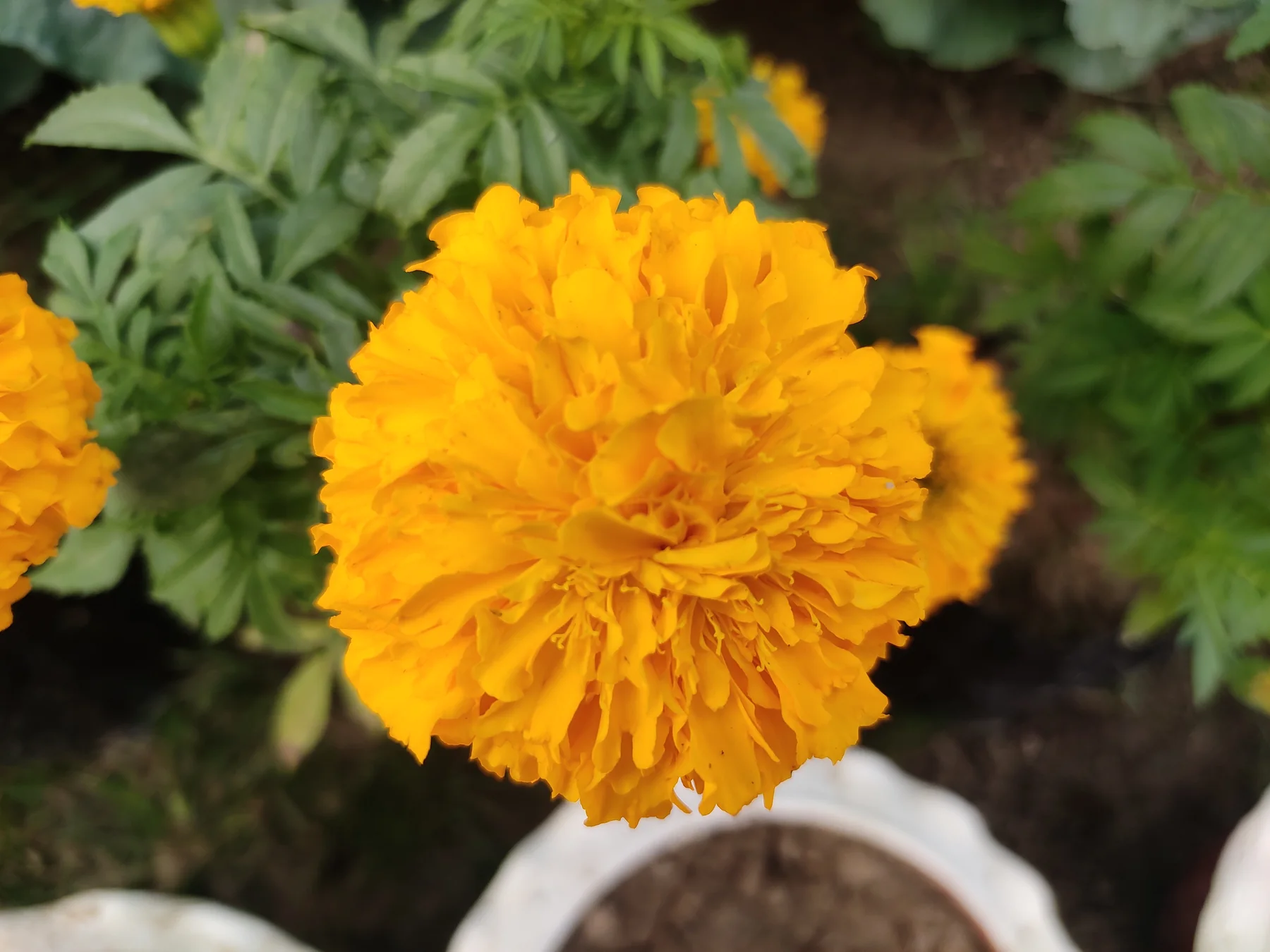
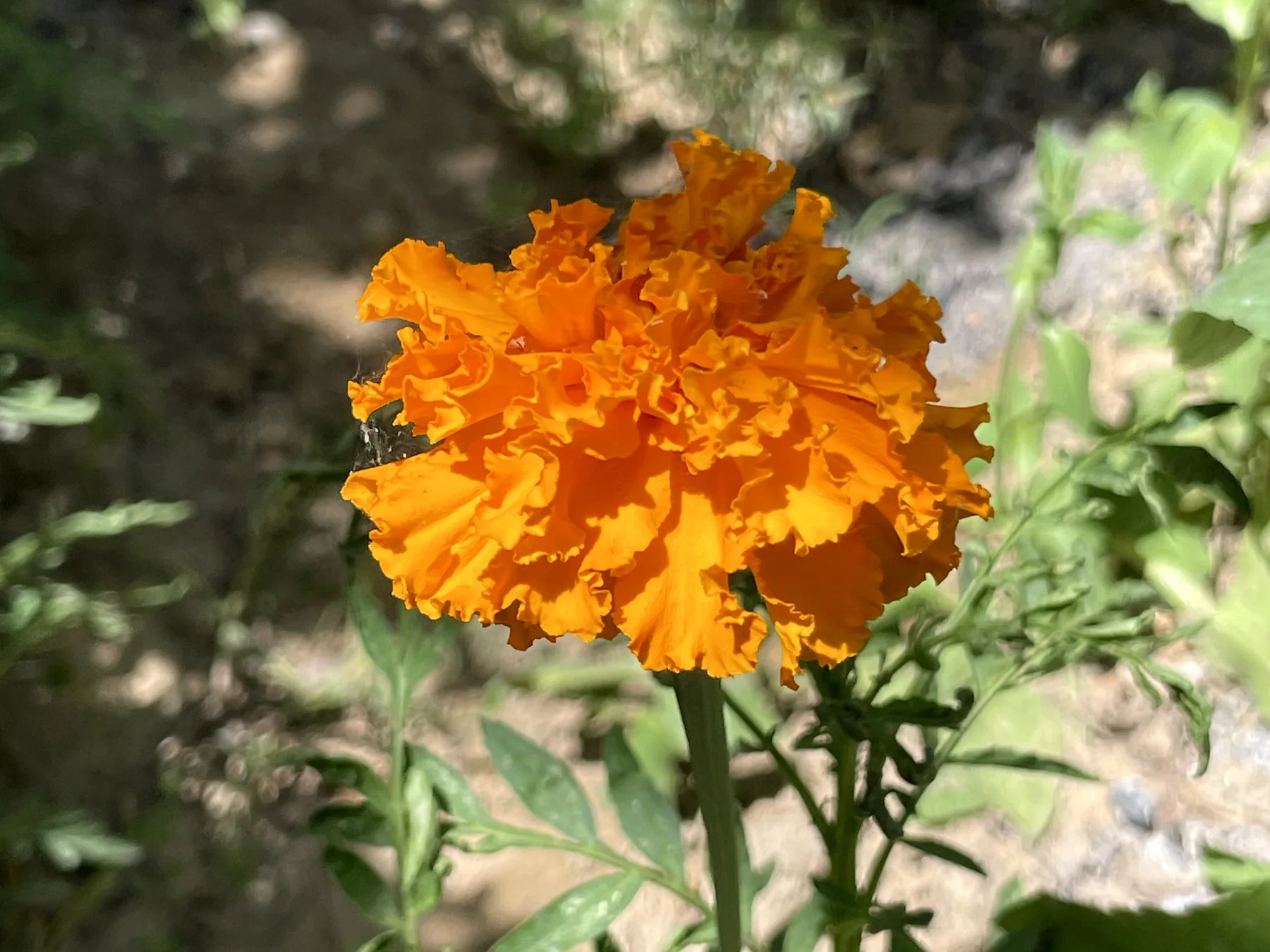
African marigolds (Tagetes erecta) are warm-season ornamental annuals grown for their upright stems and prominent flower heads. The common name is historical: the species originated in Mexico and Central America, not Africa. Garden varieties vary in height, flower size and color.
Do not confuse Tagetes erecta with French marigold (Tagetes patula) or signet marigold (Tagetes tenuifolia). All are useful garden flowers, but their typical stature and spacing needs differ. Check the seed packet or plant label for the specific cultivar's mature size.
This guide covers conventional garden varieties. A USDA decision involving an engineered red-petaled African marigold does not automatically mean that cultivar is available to home gardeners.
Choose full sun and a site with good drainage
Aim for a position with abundant direct sunlight. Plants in prolonged shade may grow stretched, flower less freely and retain moisture on foliage for longer. In very hot inland or desert conditions, afternoon stress can call for extra attention to moisture and site exposure.
Use soil that drains after watering or rainfall. Long periods of saturated soil are more concerning than an occasional short dry spell. In containers, choose drainage holes and a potting mix that permits both airflow and water movement.
If planting in a bed, give the plants enough room for their full size rather than assuming the close spacing suitable for compact French marigolds will work for tall African types.
When to sow seeds and when to transplant
In regions with freezing winters, set out transplants after the local danger of frost has passed and soils have warmed. Do not rely on a single nationwide planting calendar: spring arrives at very different times in Minnesota, the Southeast and the Mountain West.
You can start seeds indoors ahead of the intended transplant date using a clean seed-starting medium and consistent light after germination. University of Minnesota Extension describes starting marigolds around ten weeks before outdoor planting, but packet instructions and local conditions should guide the schedule.
For direct sowing outdoors, wait until the soil has warmed sufficiently for reliable germination. Protect young seedlings from cold snaps and transplant carefully without damaging their root balls.
Water by checking the root zone, not by a fixed daily schedule
Water thoroughly, then let excess water drain. Check moisture beneath the surface before the next watering: containers can dry rapidly during hot, windy weather, while heavy garden soil may stay wet long after rain.
Persistent sogginess can lead to root stress and declining growth. Conversely, repeated severe drying during flower development can cause wilting and poor-looking blooms. Balance these risks by looking at the root zone, plant size and actual weather.
Direct water toward the soil rather than repeatedly soaking the flower heads. In humid or rainy conditions, remove flowers that have begun to rot and improve airflow around the plant.
Feeding and supporting taller plants
African marigolds are not especially demanding feeders in reasonably fertile garden soil. Excess fertilizer, particularly heavy nitrogen applications, can encourage leafy growth at the expense of flowers.
In a container, replenish nutrients only as needed, taking into account the fertilizer already present in the potting mix. If growth is weak, rule out poor light, roots staying wet, and extreme temperatures before feeding more.
Tall varieties with large double blooms may need staking where wind or heavy rain can bend flower stems. Place supports early enough to avoid damaging a crowded root system.
Keep flowering plants tidy through the season
Removing spent flower heads (deadheading) can redirect growth toward further flowering and helps prevent decaying flowers from collecting moisture. It is particularly useful when damp weather causes the large blooms to spoil.
Young plants may become bushier if pinched early, provided the grower has enough season left for regrowth. Do not pinch immediately before you need a display of mature flowers.
Observe leaves and flower heads rather than treating every small blemish as an insect problem. Slugs, chewing insects, and plant disease may cause different patterns of damage; identify the cause first.
African marigolds in containers and different climates
Choose a stable pot with drainage that can support the cultivar's mature size. Small containers heat and dry faster, so large upright plants may require more frequent checks during a summer heat wave.
In cool-summer areas, prioritize warmth, light and a frost-free growing window. In hot, dry regions, monitor for afternoon wilting and rapid container drying. In humid areas, focus on airflow, healthy spacing and avoiding prolonged wet blossoms.
African marigolds are generally treated as annuals where frost occurs. At the end of the season, remove declining plants and discard diseased material appropriately rather than assuming all garden debris belongs in a home compost pile.
What about the newly deregulated red African marigold?
The USDA-APHIS decision reported in October 2026 concerns a particular genetically engineered Tagetes erecta variety with red petals. It concerns a regulatory review; it does not establish a retail release date or guarantee that seed will be offered to gardeners.
For the details and what is still unknown about retail availability, read our USDA red African marigold news report. This growing guide concerns conventional varieties, not a commercial trial of the engineered plant.
Photographs in this growing guide show conventional African marigolds, not the genetically engineered red cultivar.
FAQ
Frequently asked questions
Yes. They perform best with abundant direct sunlight, while prolonged shade can reduce flowering.
Transplants are best set out after local frost danger has passed. Timing depends on the region and season.
Water according to root-zone moisture, drainage and weather rather than a fixed daily interval. Allow excess water to drain.
It is a genetically engineered variety within Tagetes erecta. USDA's regulatory decision is not a claim that it is already available for home gardens.