What was announced, and when?
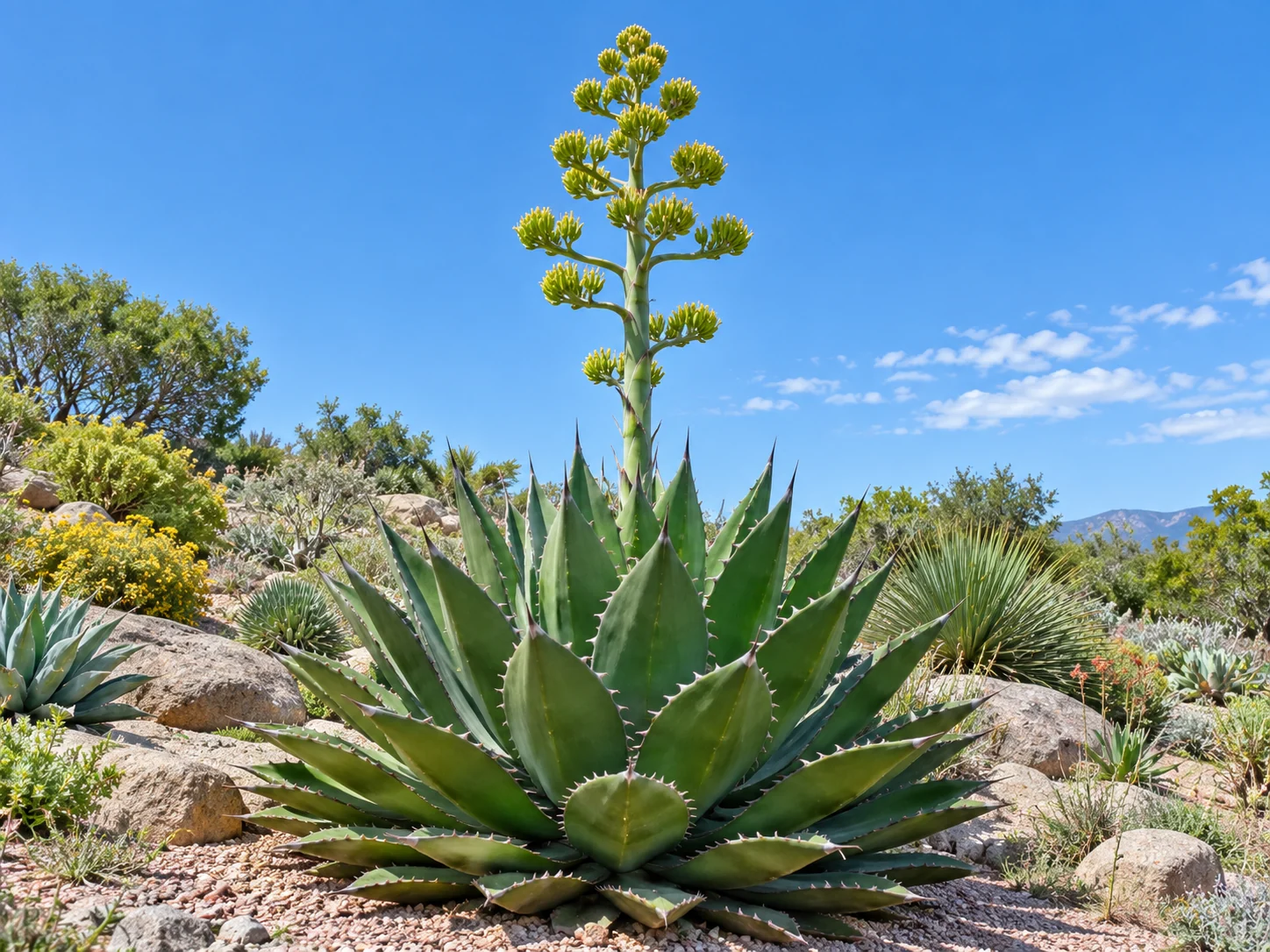
On September 24, 2026, the Royal Botanic Gardens, Kew, announced the first recorded flowering of Agave montana in its collection and appealed for viable pollen from another flowering plant. The specimen, planted around 20 years earlier, had produced a tall flowering stalk in the Rock Garden in London.
The goal was to obtain seed before the monocarpic plant completed its reproductive cycle. Flowering was therefore both a notable event for the collection and a limited opportunity to produce a new generation.
This report, published October 13, describes that dated announcement. It does not establish whether suitable pollen was subsequently found, whether pollination succeeded, or whether mature seed has formed. Those outcomes need a later confirmation; the original appeal should not be mistaken for a live status update.
Why does flowering mean the rosette will die?
Mountain agave is monocarpic: it has a single flowering and reproductive cycle, after which the rosette dies. The dramatic stalk is an inflorescence carrying many flowers, not a sign that the plant will begin producing the same display every year.
The common expression 'death bloom' describes this life-history pattern. It should not be treated as a diagnosis for every succulent that flowers. Plants grouped together as succulents differ substantially, so the identity of the plant matters before predicting what happens next.
For a gardener watching a plant at home, separate three observations: a stalk appearing, flowers opening, and seed developing. They are stages, not interchangeable proof of reproductive success. Write down dates and what you can actually see rather than assuming that the appearance of the first stalk settles the whole story.
Why search for another plant's pollen?
Kew's announcement explained that pollen from a different individual could improve the prospects for seed and increase genetic diversity in the resulting offspring. Staff planned to work with collected pollen for hand pollination. That is a goal, not a guarantee of viable seed.
A cultivated collection may have one plant flowering without a suitable donor flowering alongside it. The horticultural challenge is then more specific than attracting any insect to the garden: appropriate pollen must be available at the right stage, and the flowers must successfully progress toward seed.
For readers elsewhere, the useful distinction is between seeing flowers and maintaining a reproducing population. A single impressive specimen can still leave unanswered questions about its next generation. The pollen appeal brought those questions into view.
Seed collection and conservation also feature in Kew’s account of the newly described giant waterlily Victoria colombiana. That is a separate species-discovery story; the agave appeal concerns reproduction of an already named species.
A mountain species is not a universal dry-climate solution
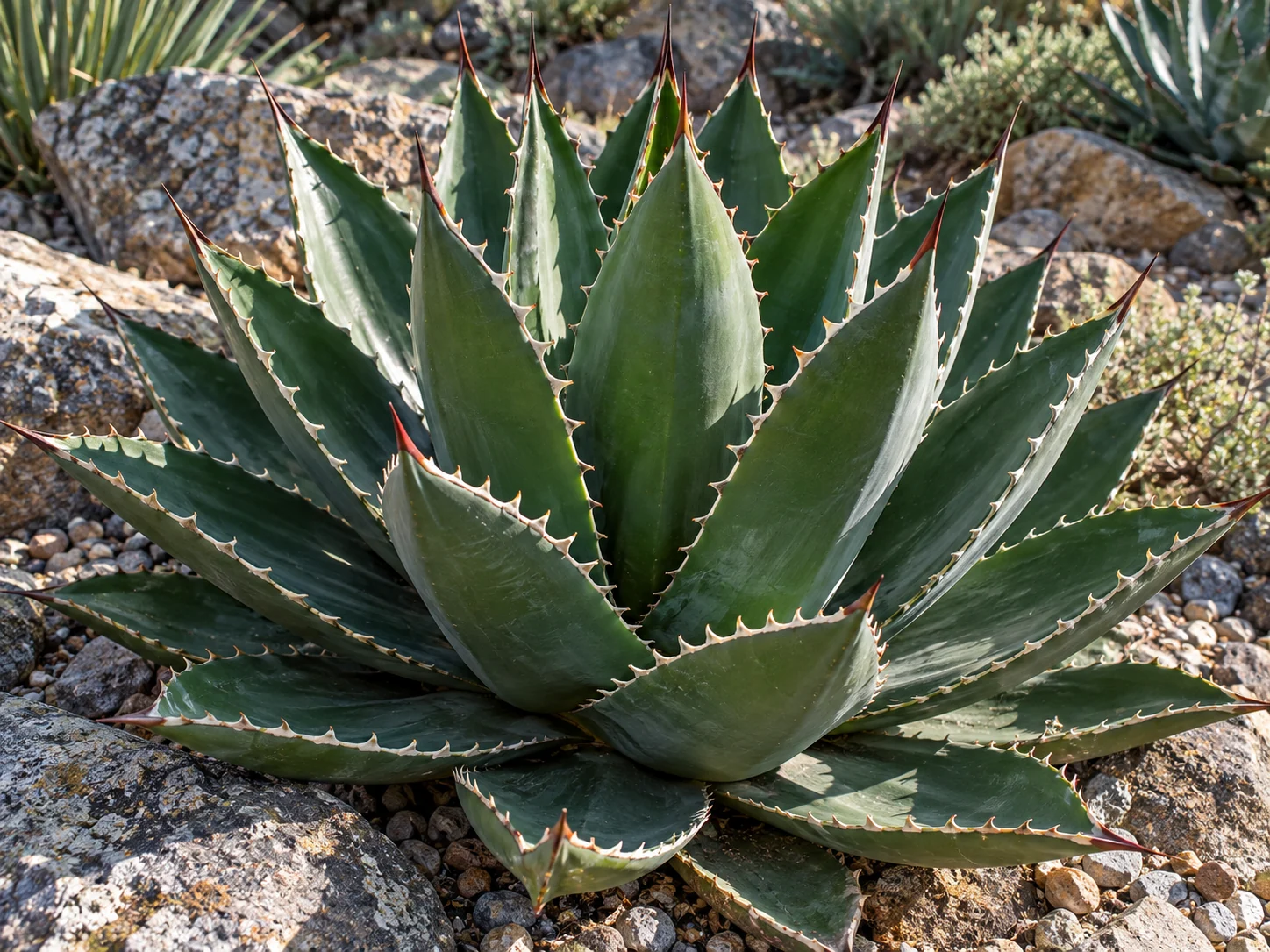
Agave montana comes from mountainous parts of Mexico, including environments that are cool and wet. Its origin is a reminder that the word succulent does not mean every species comes from the same hot, dry desert conditions.
Do not turn one outdoor flowering event in London into a promise that this plant will thrive in every country. A sensible growing decision needs a verified species, local minimum temperatures, rainfall patterns, drainage, exposure, and the conditions of the actual planting site. A pot also changes the root environment compared with planting in the ground.
If you are considering an agave for a terrace, assess mature size and sharp leaf tips before choosing its position. Keep a narrow walkway separate from a spiny rosette, and plan how a heavy container could be moved. A flowering headline is a starting point for learning about a species, not a substitute for those practical checks.
What would a meaningful follow-up tell us?
A useful update would identify the outcome of the pollen search, distinguish attempted pollination from seed set, and eventually explain whether collected seed was viable. Stalk height or photographs of open flowers alone would not answer all of those questions.
Readers planning a visit should check current visitor information and the plant's present condition before traveling. The date of the announcement matters: a developing living display can change between a news report and the day someone arrives.
FAQ
Frequently asked questions
It is monocarpic: the rosette dies after its single reproductive cycle. That is different from a plant flowering repeatedly each year.
No. A developing stalk, open flowers, seed set, and viable mature seed are different observations. A follow-up needs to establish the outcome rather than infer it from the display.