The crops behind the $86.6 million headline
Blueberries in Florida, apples in Michigan and peppers in Georgia are among the crops named in USDA’s latest funding announcement. On October 13, 2026, the department announced $86.6 million for approximately 609 state projects through the Specialty Crop Block Grant Program, or SCBGP. The awards span 56 states and territories.
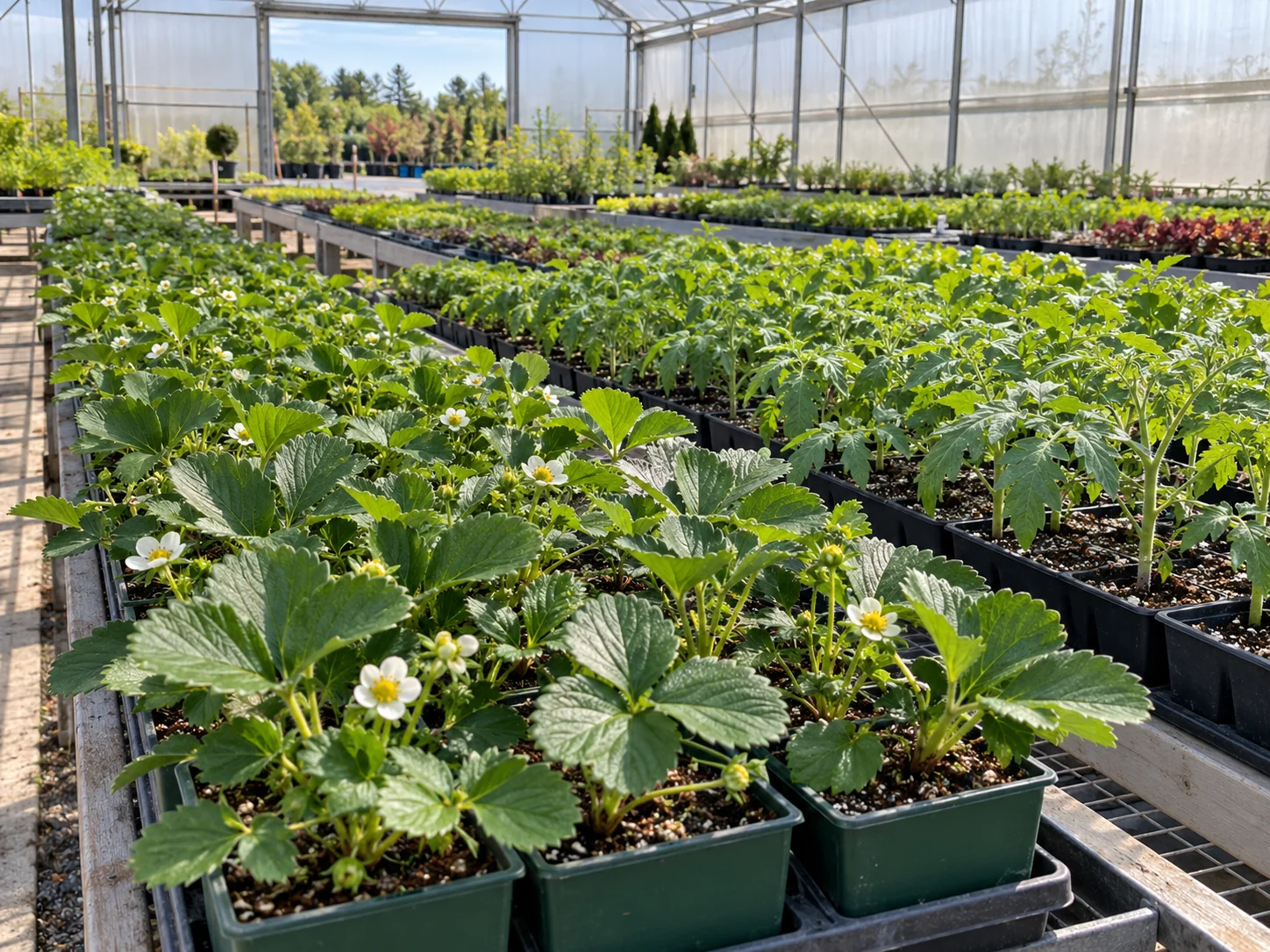
The program’s name can sound narrower than it is. “Specialty crops” includes familiar fruits and vegetables, tree nuts, dried fruits, and horticultural and nursery crops, including flowers. The funding can therefore support the businesses producing young plants as well as the farms growing the harvest.
Florida, Michigan and Georgia show how priorities differ
Florida is listed for more than $4.3 million in research, education, outreach and marketing involving mangoes, blueberries, sweet corn and muscadine grapes. Michigan’s allocation exceeds $2.64 million, with subawards covering crops including apples, asparagus, blueberries, herbs, grapes and Christmas trees.
Georgia provides a more detailed breakdown: more than $1.7 million across two research projects, nine education and outreach projects, and two marketing projects. The listed crops include pecans, blueberries, peppers, strawberries, peaches, apples, Vidalia onions and citrus. These are state allocations and crop priorities, rather than a promise that each grower receives a payment.
The regional mix matters. A blueberry project in Florida and an apple project in Michigan address different production settings. Gardeners looking for useful follow-up should pay attention to the crop, location and growing conditions behind an individual result, rather than apply a national funding headline to every backyard.
What could eventually reach a garden center or your backyard?
USDA identifies pest and disease work, improved seed varieties, food safety, education and market access among the purposes of the funding. Useful outcomes could take different forms: growing recommendations shared through outreach, information about a crop disease, or evidence from a variety trial. Marketing projects, by contrast, may focus on connecting producers with buyers.
Those are routes by which sector funding can matter to a home gardener, not results already established by the award. To judge a future recommendation, look for the organization running the work, the problem it tested and the conditions under which it was evaluated. A local trial or extension explanation will usually tell you more than the dollar amount alone.
If your immediate project is growing food in a small space, there is no need to wait for a grant-funded development. Our guide to using self-watering pots without waterlogging the roots explains an existing option for container growing. It is practical background, not a product or method endorsed by this USDA announcement.
Can a gardener or small nursery apply for the money?
This is not a new federal rebate for a home vegetable garden. State agriculture agencies apply directly to USDA and administer the state-level process. AMS says organizations or individuals interested in proposing a specialty crop project should contact the relevant state department of agriculture.
As checked on October 17, the AMS program page says the federal FY 2026 application period is closed. State opportunities have their own schedules and requirements. A nursery, grower group or other prospective project partner should ask the state program contact about eligibility, sector benefits and the applicable funding cycle before preparing an application.
The next useful update is a project result
For readers following the program, the most useful next detail is a project description: who is doing the work, which crops it covers and how findings will be shared. Later reports can show whether a research or outreach project delivered something usable in a particular region.
For now, the October 13 announcement establishes the awards and their priorities. It does not establish lower plant prices, a successful new variety or better pest control. Keep the funding decision and the eventual results separate when evaluating a claim at a nursery or in a seed catalog.
FAQ
Frequently asked questions
The program includes fruits, vegetables, tree nuts, dried fruits, and horticultural and nursery crops, including floriculture. It is not limited to rare or exotic plants.
The announcement does not create a universal household grant. State agriculture agencies administer specialty crop projects; prospective applicants should check the state’s eligibility rules and funding cycle.
The AMS program page checked on October 17, 2026 says that the federal application period is closed. State-level opportunities and future funding rounds have separate schedules.