
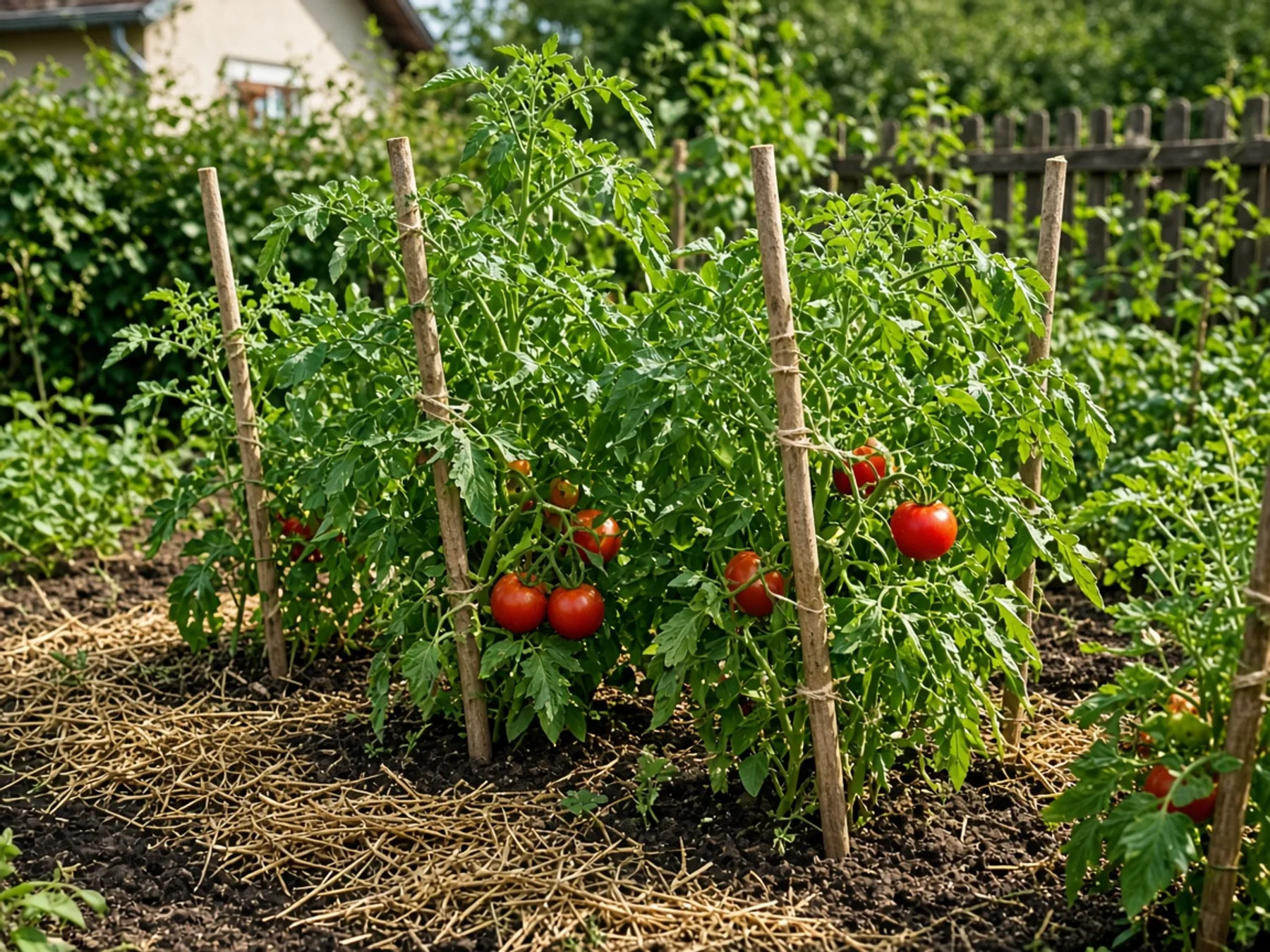
A more efficient tool for precise DNA changes
Researchers have reported a more efficient way to make precise genetic changes in several broadleaf crops, including tomato and soybean. The system, called SmartPE, is described in a *Nature Plants* paper published on October 28, 2026. The Chinese Academy of Sciences announced the findings on October 29.
SmartPE builds on prime editing, a technique for changing specific DNA sequences without the conventional step of cutting both strands of the DNA molecule. The study concerns an experimental research tool; it does not announce a new variety for gardeners.
What did the SmartPE experiments actually show?
SmartPE combines two guide molecules that direct the editing machinery, changes to their design and an improved DNA-copying enzyme. In protoplasts — plant cells with their walls removed — editing efficiency was 8.2–38.2 times higher in tomato than with the baseline system tested. In Arabidopsis, a model plant used in research, it rose 6.3–23 times; soybean and oilseed rape showed more than tenfold improvements at most tested target sites.
The scientists also demonstrated precise DNA changes in experimental tomato roots and plants, including the insertion of short genetic sequences. The improvement varied with the plant, DNA target and test conditions. These figures describe editing efficiency, not gains in crop yield, fruit quality or disease resistance.
Why tomato breeders might pay attention
Tomato, soybean and oilseed rape belong to a broad group of flowering plants known as dicots. Prime-editing performance in these crops has often varied between DNA targets. More consistent editing could help researchers study traits and develop breeding material.
Before edited material can become a useful cultivar, researchers must assess how the plants perform, whether the edits are inherited and which regulatory requirements apply. Seed production and distribution are further steps.
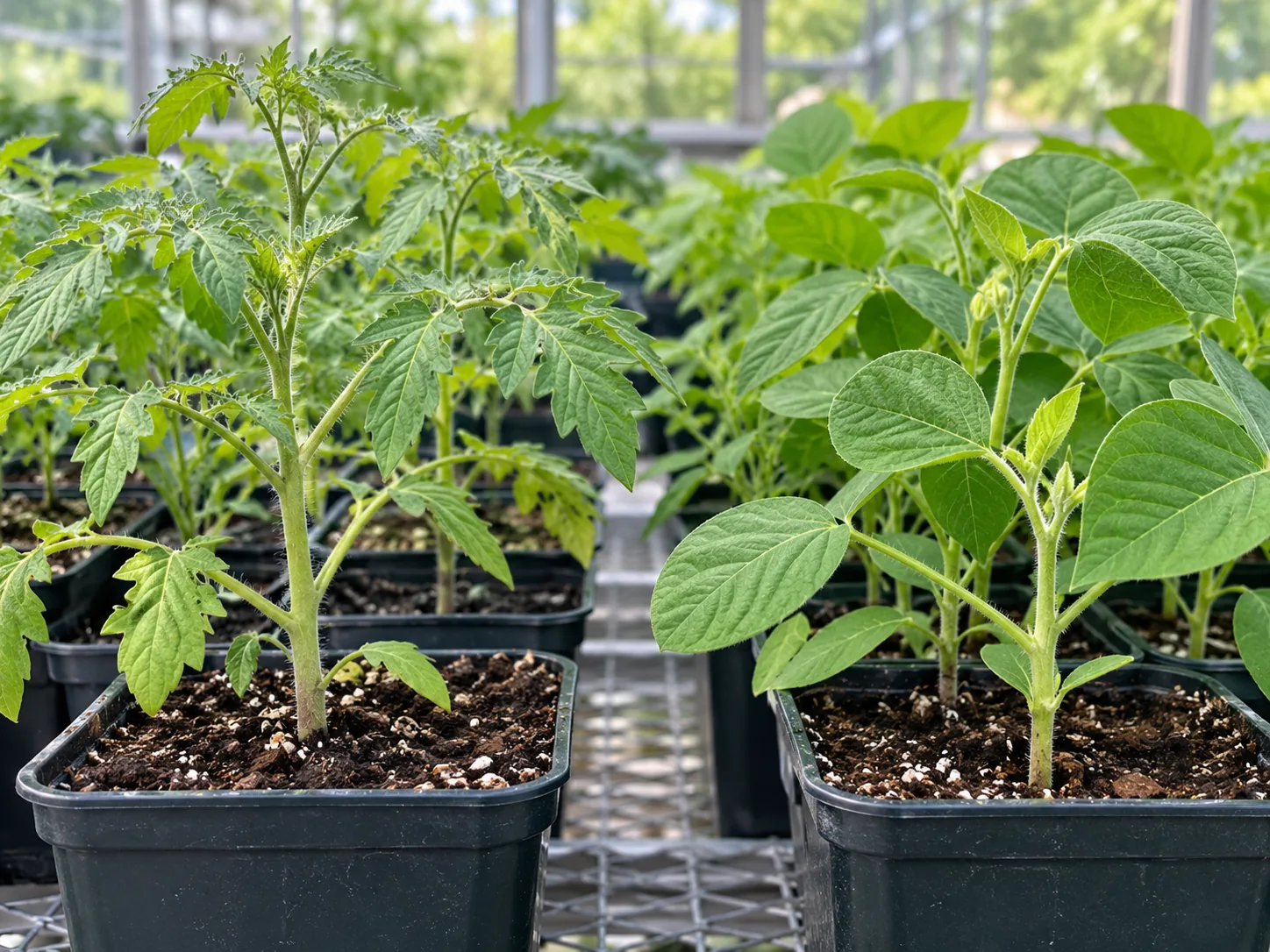
What this means for gardeners now
For gardeners, the next useful evidence would be trials of particular breeding lines showing a measurable benefit, such as disease resistance or fruit quality. That benefit would need to be demonstrated for the plant itself, rather than inferred from the editing method.
The original study was published October 28, followed by the research-institute announcement on October 29. This report was prepared November 2, 2026. The photographs show conventional plants as general illustrations.
FAQ
Frequently asked questions
No. The 8.2–38.2-fold range refers to editing efficiency in tomato protoplast experiments compared with the tested baseline prime-editing system, not crop yield.
No. Researchers studied multiple dicot plants, including Arabidopsis, tomato, soybean and oilseed rape.